Scouring for Sources
The Science Learning Hub, a vast repository of educational resources, is designed to facilitate easy and efficient access to a wealth of information for learners and educators. Here's a step-by-step guide on how to navigate and search the Hub effectively.
**Step 1: Access the Search Interface** Begin at the Science Learning Hub's library homepage or search portal. This is where you enter keywords related to your topic.
**Step 2: Use Specific Keywords and Search Terms** Input precise subject terms, author names, or titles to refine your search. Use quotation marks for exact phrases and Boolean operators (AND, OR, NOT) to combine or exclude terms.
**Step 3: Apply Filtering Options** After conducting a basic search, utilize available filters to narrow results. These filters often include resource type, educational level, and relevance or date.
**Step 4: Explore Subject Guides and Research Guides** The Science Learning Hub may provide curated guides or research aids helping users focus on specific science topics. These guides often include recommended resources and search tips.
**Step 5: Use Advanced or Full-Text Search When Available** Advanced search options let you search within metadata fields (title, author, subject) or full text, increasing precision.
**Step 6: Consult Librarian Assistance or Help Sections** If navigation or filtering is unclear, seek support from available library staff or help guides on the website.
It's worth noting that the search results do not provide Science Learning Hub-specific navigation instructions but refer to general academic and research library practices and resources with similar features (filtering, guides, advanced search). For instance, SpringerLink, mentioned for scientific articles, allows filtering by document type and discipline. The Science & Engineering Information Center highlights librarian support for finding scientific resources.
When you access the Science Learning Hub directly, look for their specific search bar, filter menus, and user guides or FAQs to optimize your searches accordingly.
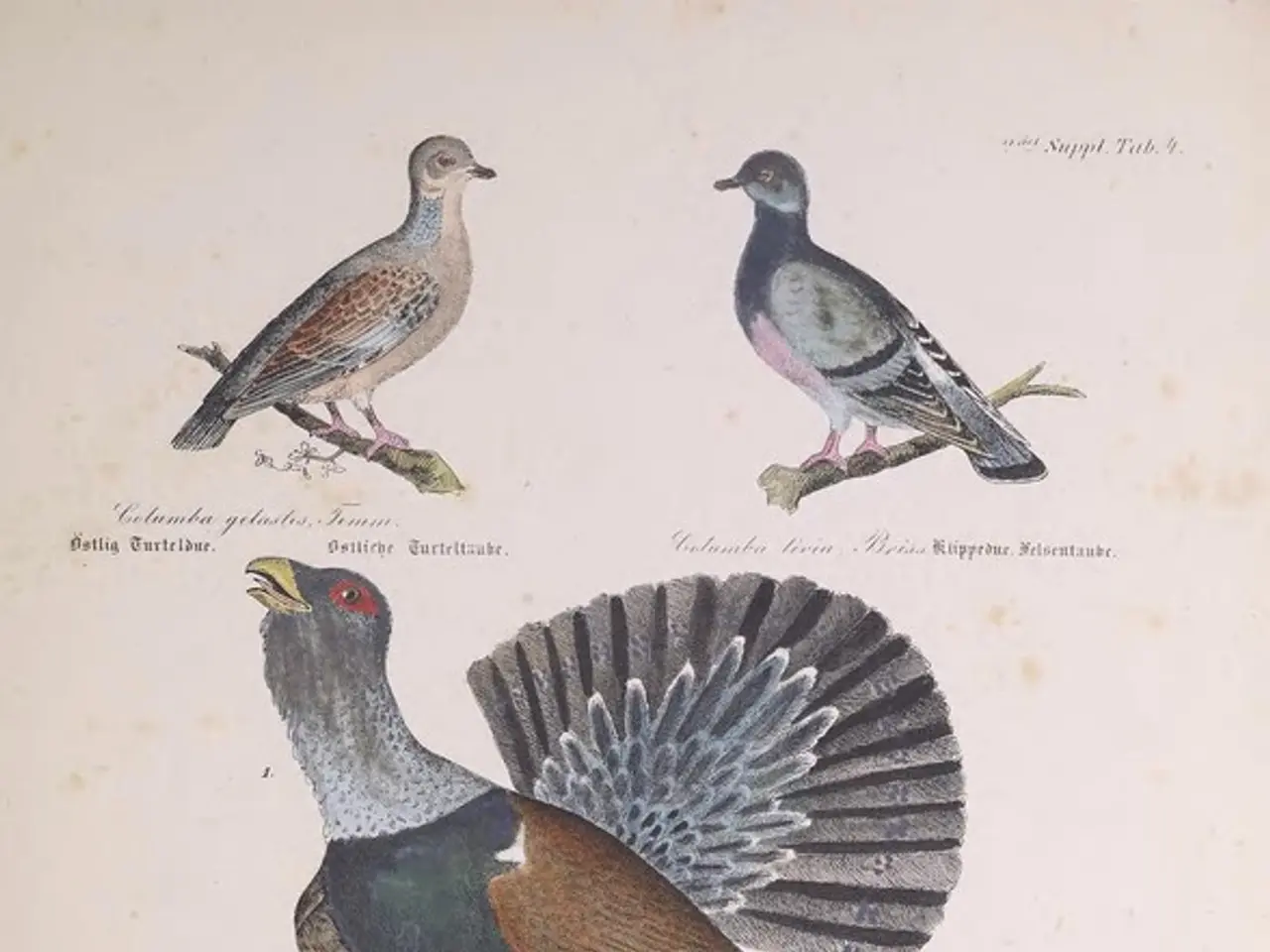
The resources on the Hub are organised into Topics and Concepts. For example, under the Topic of 'birds', you'll find a variety of resources. Each concept's content is organised into types and levels, similar to the Topics section. Topics collate content into themes or areas of interest that are regularly taught as units of study. Resources can be narrowed down to articles, activities, interactives, videos, teacher professional development (PLD), citizen science, and more.
In the process of navigating the Science Learning Hub, it's essential to remember that the learning resources available are not limited to just science, but also encompass education-and-self-development and learning. For instance, while exploring the Topics section under 'birds', you'll find an array of resources that cater not only to scientific knowledge but also to personal and professional development.