Flightless behemoth avian becomes the focus for resurrection biotech firm Colossal Biosciences
In a pioneering move, Colossal Biosciences, a Texas-based genetic engineering and de-extinction company, is collaborating with the Ngāi Tahu Research Centre and filmmaker Sir Peter Jackson to resurrect the South Island Giant Moa. This initiative, set to be the first indigenous-coordinated de-extinction project, emphasizes Māori values and traditional ecological knowledge in species restoration.
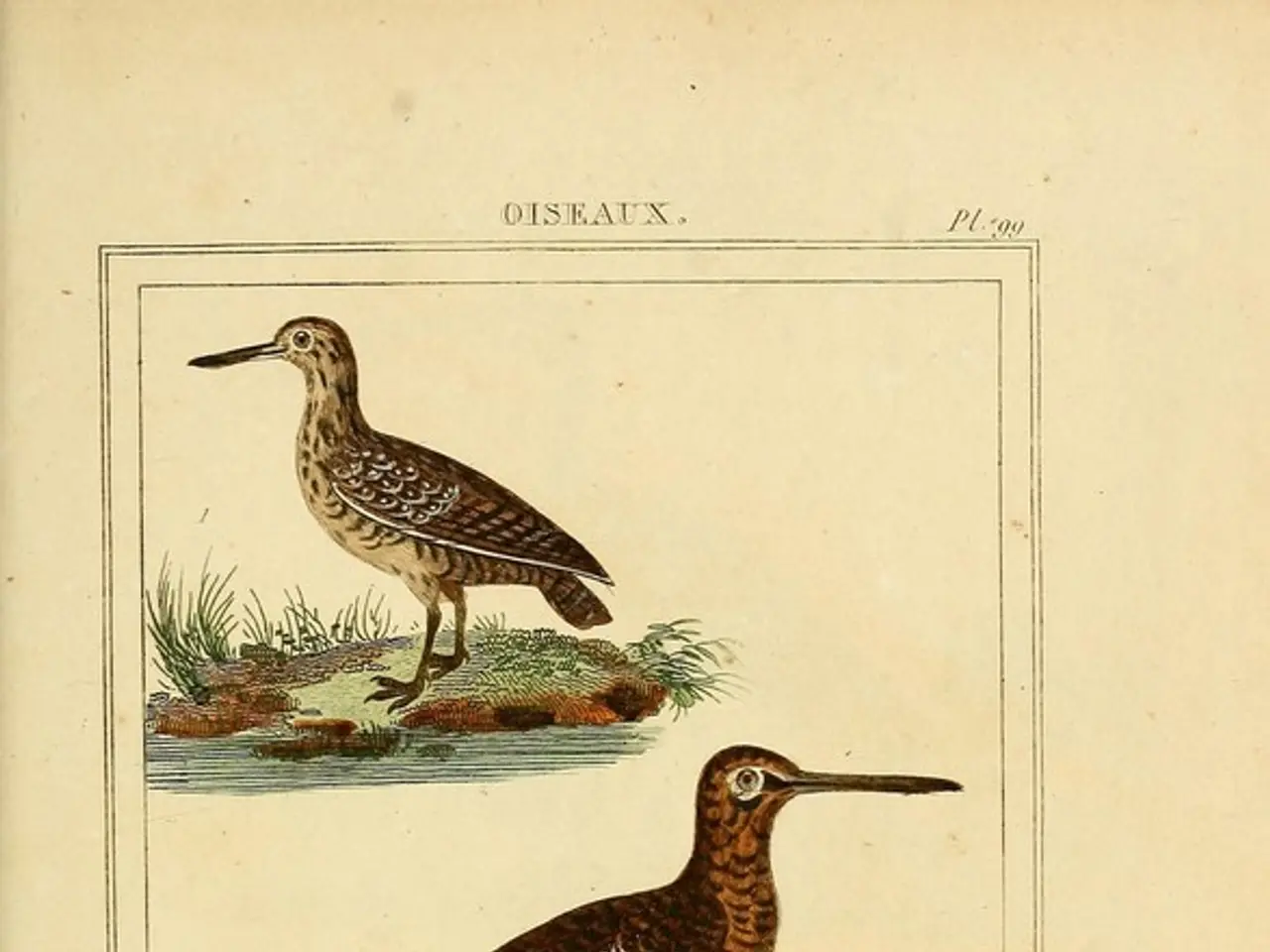
The South Island Giant Moa, a flightless bird that stood an impressive 10 feet tall, is the focus of this ambitious project. With few predators, the moa was vulnerable to hunting or predation, much like other flightless birds on islands.
Colossal Biosciences plans to utilize advanced genetic engineering techniques to genetically modify living birds, replicating the extinct South Island Giant Moa's key genetic traits. The project leverages cutting-edge de-extinction technology, involving the recovery and analysis of DNA from moa fossils to guide genetic modifications.
However, the project is not without ethical concerns. Questions about cultural heritage, ecological impact, conservation and restoration ethics, and scientific and ethical regulation have been raised. Introducing a genetically engineered species into a modern ecosystem could potentially disrupt the current ecological balance. Additionally, critics question whether de-extinction is the best use of resources when there are many endangered species that could benefit from conservation efforts.
Despite these concerns, Colossal Biosciences believes that their de-extinction system could serve as a backup for conservation efforts, especially in dire cases. The company is also committed to undertaking ecological restoration projects in New Zealand, focusing on rehabilitating potential moa habitats while supporting existing native species.
Notably, the project places Māori values and traditional ecological knowledge at its core, which is seen as a positive step towards incorporating indigenous perspectives in scientific endeavors. Scott MacDougall-Shackleton, cofounder and director of the Advanced Facility for Avian Research, highlights that because the moa went extinct in the past few hundred years, there are extensive bones, egg shell fragments, and feathers that can be studied.
Colossal Biosciences has made a significant investment in New Zealand for the moa resurrection project, although the exact amount remains undisclosed. The project involves recovering and analyzing ancient DNA from nine moa species to understand the unique genetic makeup of the giant moa (Dinornis robustus).
As the project progresses, it will be essential to establish robust regulatory frameworks to oversee de-extinction projects and ensure that they align with societal values and expectations. Public acceptance and understanding will also play a crucial role in the success of such projects.
Lamm, CEO of Colossal Biosciences, has stated that the biotechnology developed by Colossal will be used to help rescue animals on the brink of extinction as well as those that have already disappeared, such as cloning red wolves. Colossal Biosciences has previously announced the birth of what it described as three dire wolf pups using ancient DNA, cloning, and gene-editing technology.
Peter Jackson, the "Lord of the Rings" director, is one of the high-profile investors in Colossal Biosciences and is involved with the moa project. He has one of the largest private collections of moa bones. Scott Edwards, a professor at the Museum of Comparative Zoology at Harvard University, is excited by the moa resurrection project but notes that the techniques necessary for bringing back the giant moa would be different due to birds developing in an egg.
As the Moa Resurrection Project moves forward, it promises to be a groundbreaking endeavour that could reshape our understanding of species restoration and the ethical implications of de-extinction.
The Moa Resurrection Project, focused on reviving the South Island Giant Moa, a bird extinct for a few hundred years, is funded by Colossal Biosciences, a Texas-based company specializing in genetic engineering and de-extinction. The initiative, led by filmmaker Sir Peter Jackson and the Ngāi Tahu Research Centre, emphasizes Māori values and traditional ecological knowledge.
Utilizing genetic engineering and de-extinction technology, Colossal Biosciences aims to replicate key genetic traits of the extinct South Island Giant Moa in living birds, using DNA recovered from moa fossils. However, questions about ecological impact, conservation and restoration ethics, cultural heritage, and scientific and ethical regulations have been raised.
With a commitment to ecological restoration and supporting native species in New Zealand, Colossal Biosciences' de-extinction system could serve as a backup for conservation efforts, especially in extreme cases. The project, nonetheless, faces ethical concerns and requires establishing regulatory frameworks to ensure alignment with societal values and expectations.
The Moa Resurrection Project, as it progresses, offers a unique opportunity to reshape our understanding of species restoration and the ethical implications of de-extinction, pushing boundaries in environmental science, technology, education, and general news.